

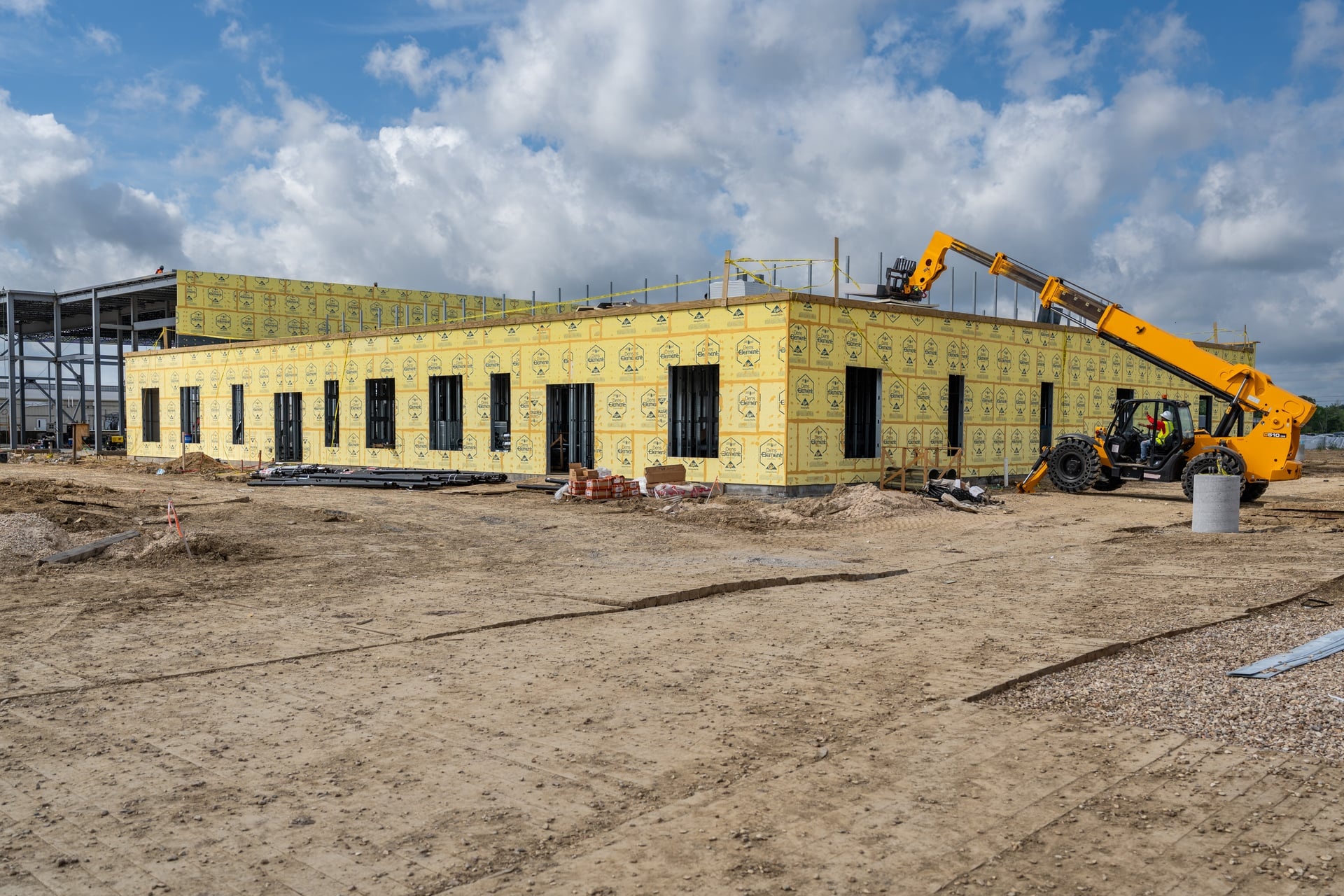

Project success today is measured by more than schedule and budget. Environmental performance is now a core jobsite priority, and it requires practical solutions that work in real-world conditions.
Ground protection mats play a critical role. By creating stable, temporary surfaces, environmental matting reduces soil disturbance, protects sensitive terrain and keeps crews and equipment moving safely and efficiently. The result: lower site impact without sacrificing productivity.

Construction sites are high-traffic environments with constant movement of heavy equipment and personnel. Without proper ground protection, this activity can lead to soil compaction, rutting and vegetation damage.
Compaction is especially problematic. It reduces the soil’s ability to absorb water, increasing runoff and the risk of erosion that can impact nearby waterways.
Environmental matting helps prevent this damage before it starts. By distributing weight across a wider surface area, mats minimize ground pressure and protect underlying soil conditions. This is especially important in sensitive areas like wetlands, soft soils or landscaped environments where restoration is costly and time-consuming.
The right matting solution for every jobsite
No two jobsites are the same. Terrain, weather conditions and equipment demands all influence the right ground protection strategy.
A range of matting solutions allows contractors to match performance to site conditions:

Timber mats: Heavy-duty support for cranes, equipment and vehicle traffic on uneven terrain

3-ply laminated mats: Durable solutions for consistent support in high-load applications

Cross-laminated timber (CLT) mats: Lightweight options for level ground and faster deployment

Composite mats: Engineered for high-traffic areas, including access roads, pads and walkways

Trackout control mats: Help remove debris from equipment to reduce site contamination

Swamp mats: Designed for unstable or saturated ground, including wetlands
Choosing the right combination helps balance access, protection and efficiency across the jobsite.
Why composite mats are gaining ground
Traditional timber mats provide reliable support, but composite mats offer additional performance and sustainability advantages.
Made from materials like high-density polyethylene (HDPE), composite mats are engineered for durability, reuse and consistency across multiple projects.
Unlike timber, they are non-porous and resistant to water absorption, rot and splintering. This reduces the risk of transferring contaminants or invasive species between jobsites— an important consideration for environmental compliance.
They are also easier to clean, transport and redeploy, making them a practical option for contractors focused on efficiency and long-term value.
Key benefits of environmental matting
Ground protection mats deliver measurable benefits across safety, performance and environmental impact.
Preservation of ecosystems
Matting creates a protective barrier that helps safeguard soil structure, root systems and surrounding habitats. This supports regulatory compliance and helps reduce the need for post-project restoration.
Enhanced site safety
Stable, even surfaces reduce the risk of equipment getting stuck and minimize recovery-related incidents. Textured surfaces also improve traction for workers and vehicles, particularly in wet or unstable conditions.
Improved operational efficiency
Reliable access enables crews and equipment to operate consistently, regardless of weather or ground conditions. Faster installation and removal also help reduce labor demands and keep projects moving.
Cost control over the project life cycle
By preventing ground damage, contractors can avoid costly remediation and restoration. Reusable matting solutions also deliver value across multiple projects, improving overall return on investment.

A practical approach to sustainable construction
Sustainable construction doesn’t have to be complex. Often, it comes down to making smart, practical decisions on the jobsite.
Environmental matting is one of the most effective ways to reduce site impact while maintaining productivity. It supports safer operations, protects the terrain and helps contractors meet environmental expectations without slowing progress.
By integrating ground protection into your site plan from the start, you create a more controlled, efficient and responsible jobsite with optimized performance.
Partner with United Rentals to find the right environmental matting solution for your next project. Contact our team to get a quote or explore options tailored to your jobsite conditions.