

Temporary Roadways: Understanding Construction Site Access Matting

What Is a temporary access road?
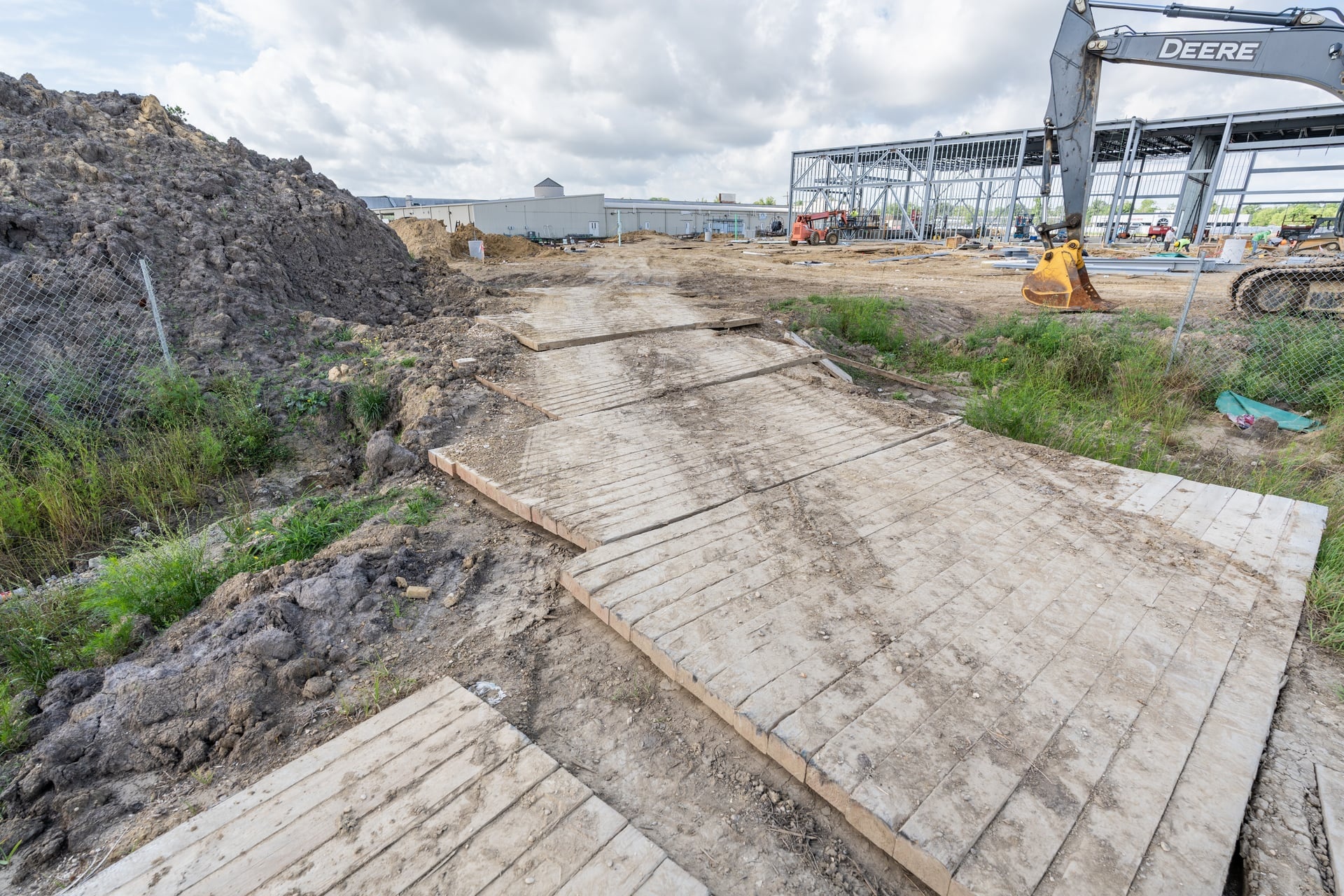
A temporary access road is a non-permanent roadway designed to provide stable, reliable access for vehicles, equipment and personnel to a worksite. Its primary purpose is to ensure operational efficiency while protecting the underlying ground from damage, especially in sensitive or unstable conditions.
A customized access plan can revolutionize a project’s workflow, unlock significant cost savings and streamline logistics from start to finish.
When a temporary access road is needed
Many projects only look straightforward on paper. In the field, access can quickly become the constraint that delays everything else. You may need a temporary access road to your construction site when conditions include:
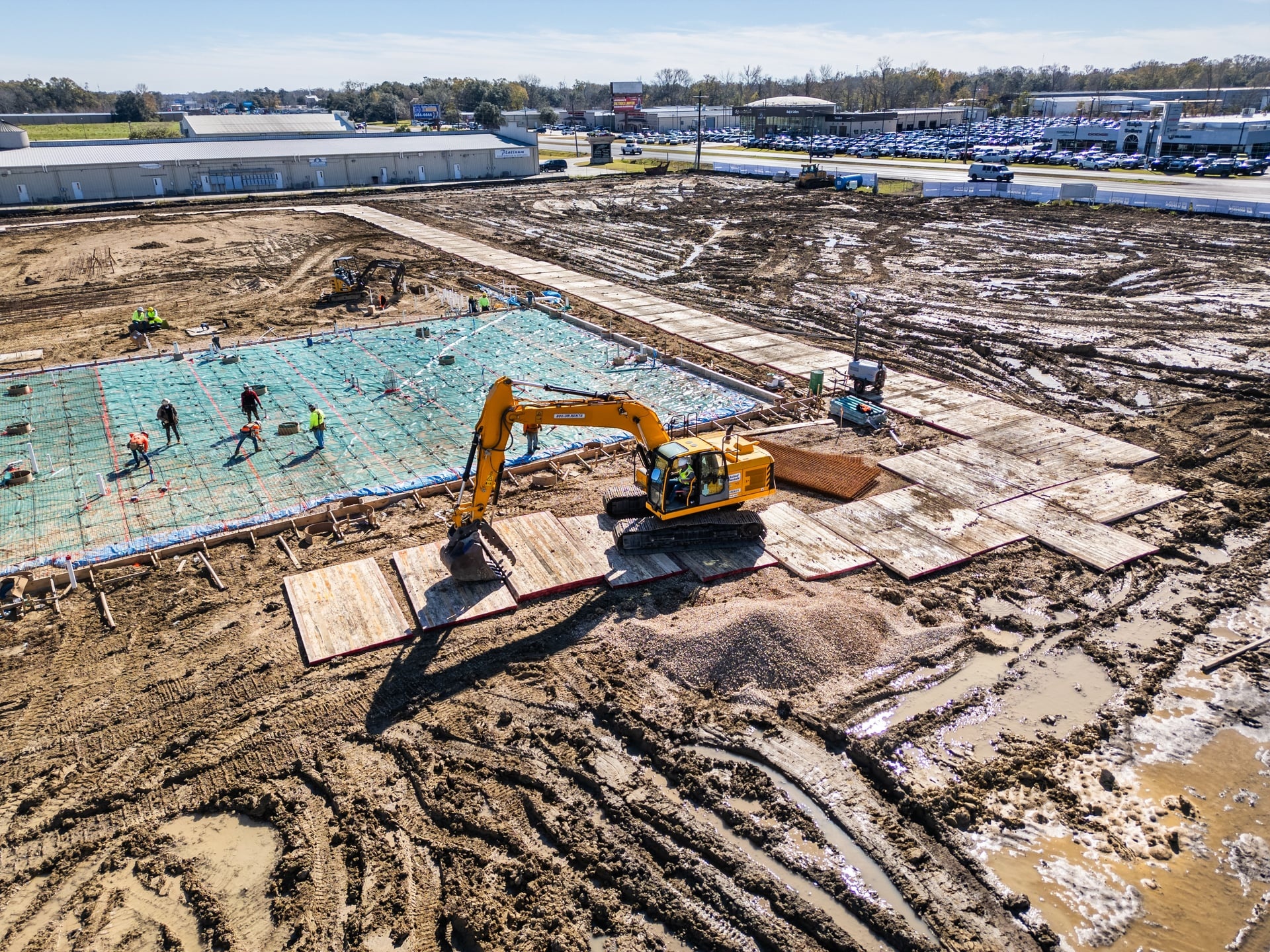
- Soft soil, mud, sand or unstable ground that can trap vehicles and damage the site
- Wetlands or other environmentally sensitive areas where minimizing disturbance is critical
- Streams, ditches or low spots that may require a temporary bridge or culvert and stable approaches
- Site-specific challenges such as sharp turns, steep inclines or routes that must navigate around trees, structures, fencing or other obstacles.
- Heavy equipment moves where existing roads cannot support the weight or where access must stay on private property
Key factors to consider when planning temporary access roads?
Every project site is different. That means site access solutions that worked on a previous project may not be suitable for the next one. Before providing an estimate, we work to understand the site, the scope and the environmental factors that inform the design.
Understanding your obstacles
We use information from the project brief, drone footage, site visits, KMZ files and other resources to determine:
- The type of terrain you need to traverse
- Whether you need access through wetlands
- If temporary bridges will be required
- How to navigate around structures, trees and other objects
Understanding your project needs
A project that must accommodate pipelayers adjacent to a trench has different needs than one that moves lightweight trucks through flat farmland. We learn the details of your project, including:
- What heavy equipment will move through the jobsite
- The weights and dimensions of vehicles and materials
- Who owns or manages the land the project must access
- Property lines and regulatory considerations
Understanding your environment
Site access roads often intersect with environmental requirements. Based on what we learn, we recommend solutions that:
- Meet federal and local environmental regulations
- Minimize disruption to wildlife and vegetation
- Address stormwater protection requirements
- Help prevent transportation of invasive species to or from the worksite

Finding the right solutions for your site
Ground protection mats are the building blocks of most temporary access roads. They create a stable, low-impact surface that distributes loads, protects the ground and keeps crews and equipment moving. United Rentals offers a wide range of mat options, including traditional timber, cross-laminated timber (CLT) and composite mats, so we can tailor the solution to your terrain, load requirements and environmental constraints. Beyond mat selection, we deliver end-to-end site access solutions with expertise across planning, logistics and execution.
When building a temporary site access road, we review every segment of the route to develop a plan that may include:
- Combining different types of ground protection mats to optimize budgets
- Leapfrogging mats to reduce the total number needed over the life of the project
- Specifying mats that are in stock in a nearby storage facility to reduce lead time
What to expect during implementation
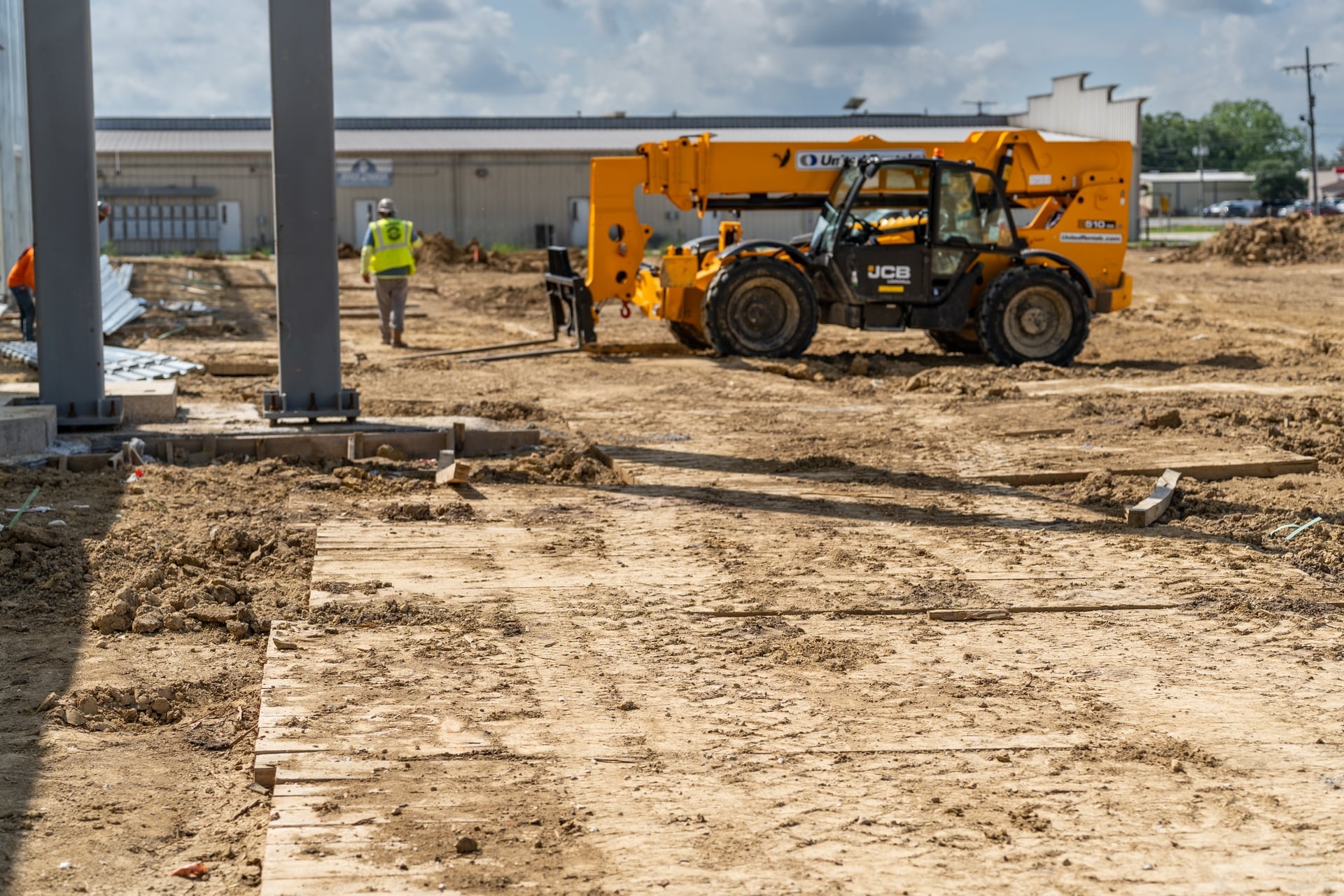
After a project is approved, our team begins regulatory research and preparation to support compliance and help minimize environmental impact at the site. Project managers coordinate safety training, crew schedules and the arrival of construction mats and other equipment to support efficient installation.
Planning and design
The first step is confirming the route and selecting a construction method. That means evaluating ground conditions, defining the total route length and the clear travel width needed for your vehicles, including turning radii, approaches and any passing zones, and verifying that the chosen mat layout and stabilization layers can support anticipated loads. Determining these things will help create an accurate plan for the number and arrangement of mats required.
Site preparation and installation
Depending on the solution, installation may include clearing and grading, installing stabilization layers such as geotextile fabric, placing aggregate, installing mats or building temporary bridge approaches. The goal is a stable surface that supports safe travel and reliable access to your jobsite.
Maintenance, removal and restoration
Over the course of the project, the access road should be inspected for movement, wear and soft spots, especially after heavy rain or freeze and thaw cycles. After the project is complete, our team removes the temporary site access road and restores the site to its original condition, helping support environmental requirements and landowner expectations.

Benefits of working with United Rentals
An experienced site access partner with a broad set of ground protection matting options can recommend a mix of solutions based on your needs, soils and load cases. United Rentals offers and installs a wide range of mat types, including, but not limited to:
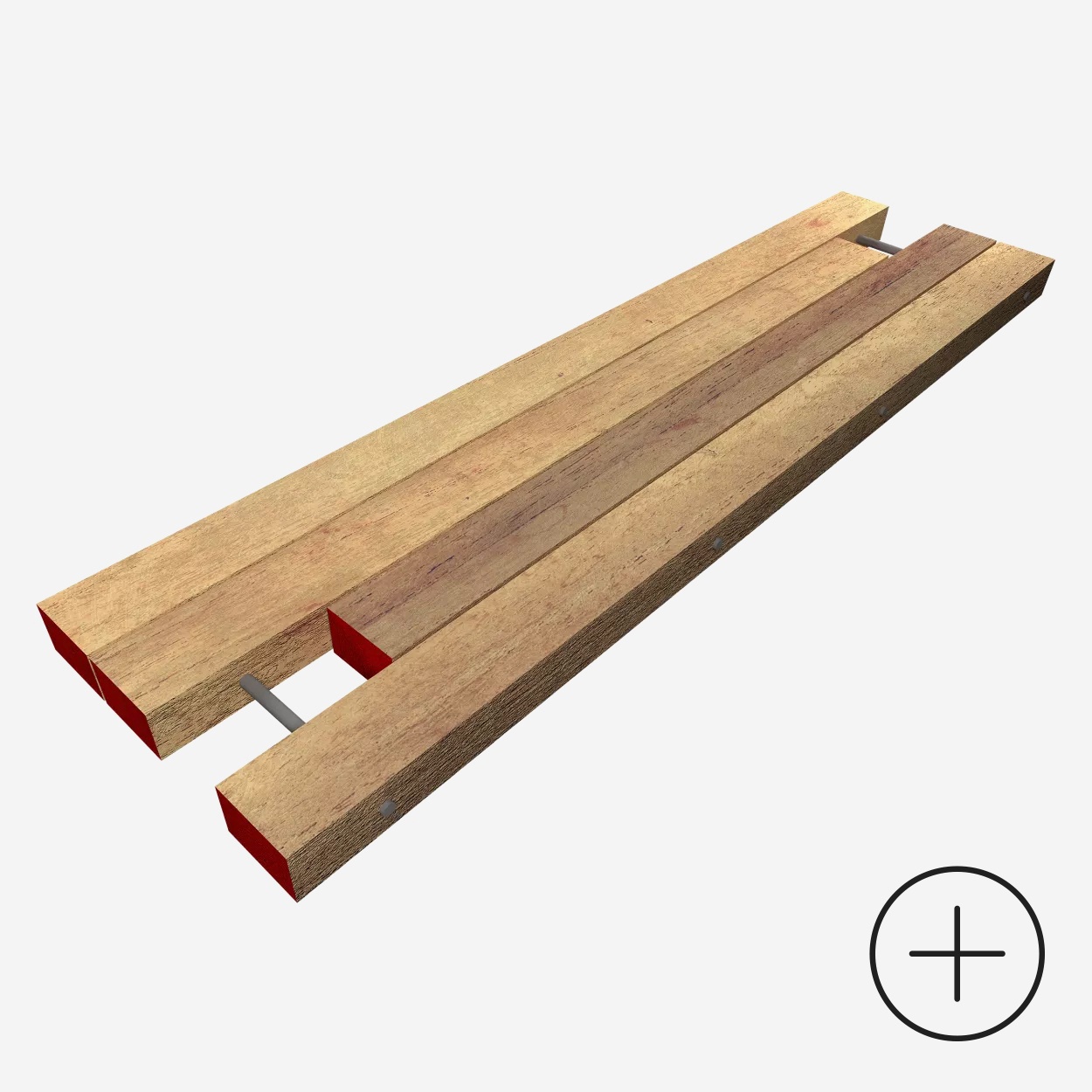
Timber crane and rig mats: heavy duty hardwood or steel framed timber for extreme loads, crane lifts and staging area.
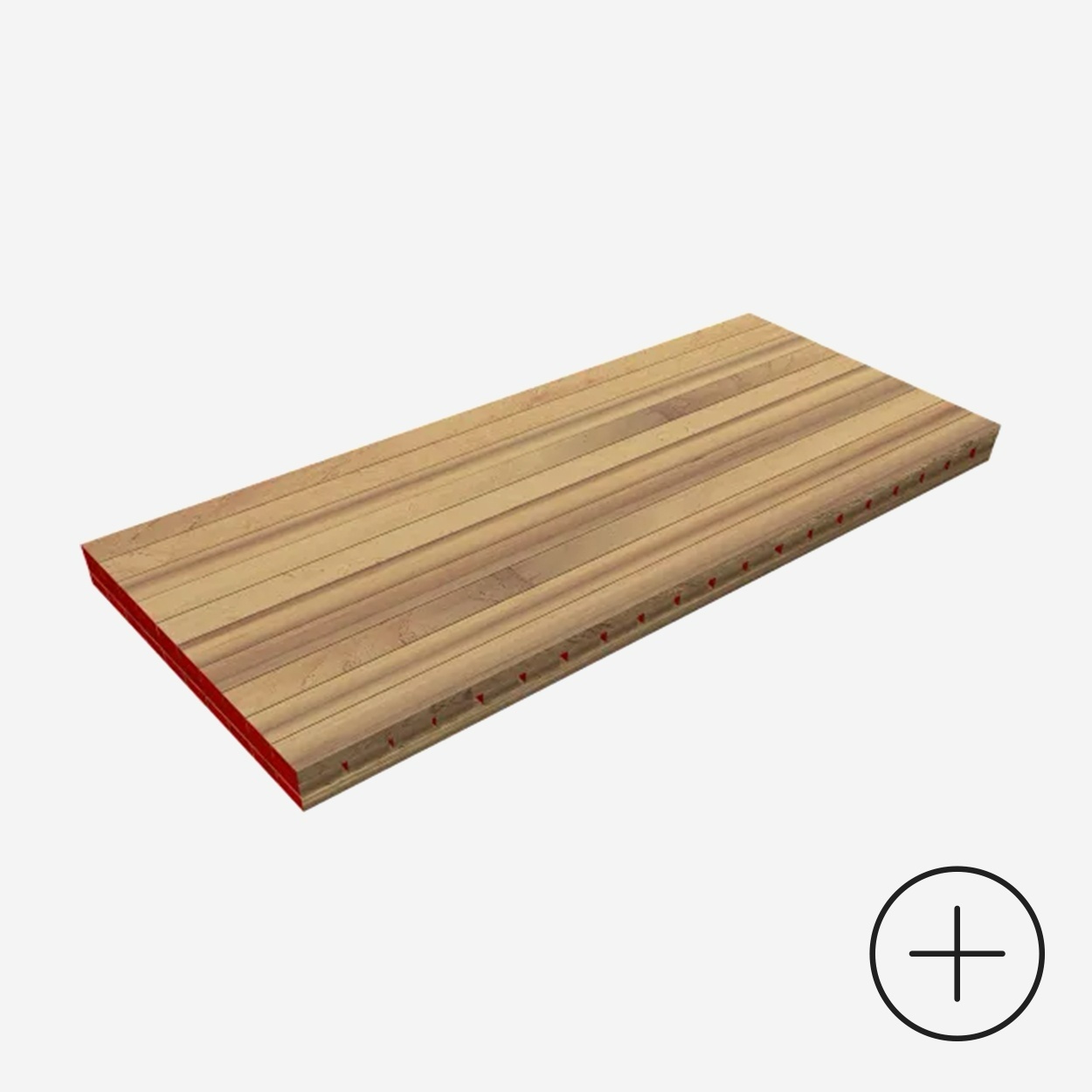
Cross-laminated timber access mats: high capacity with lighter weight for faster handling, ideal for access roads and laydown areas
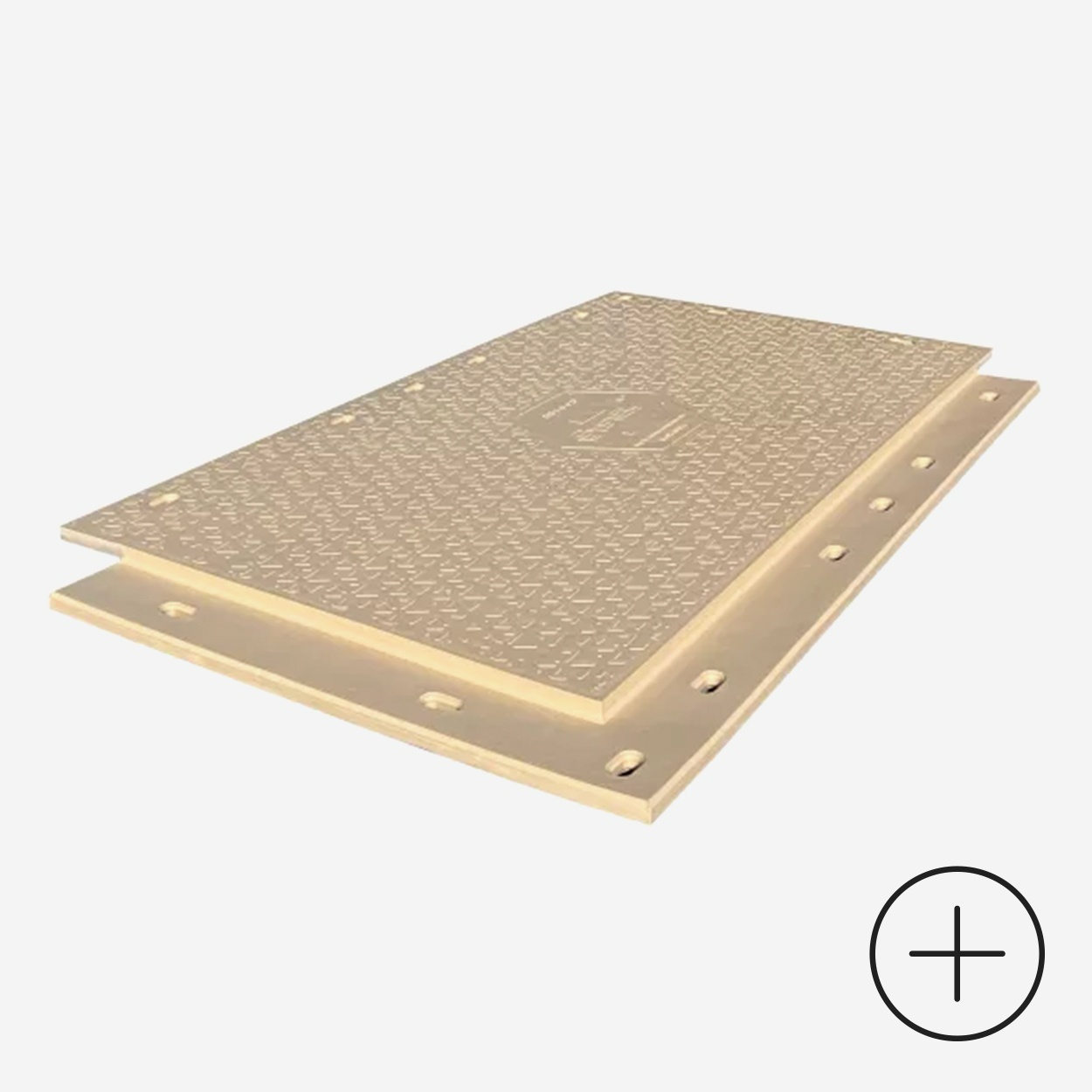
Heavy duty composite access mats: interlocking panels that are non-absorbent and suited for wetlands and long routes
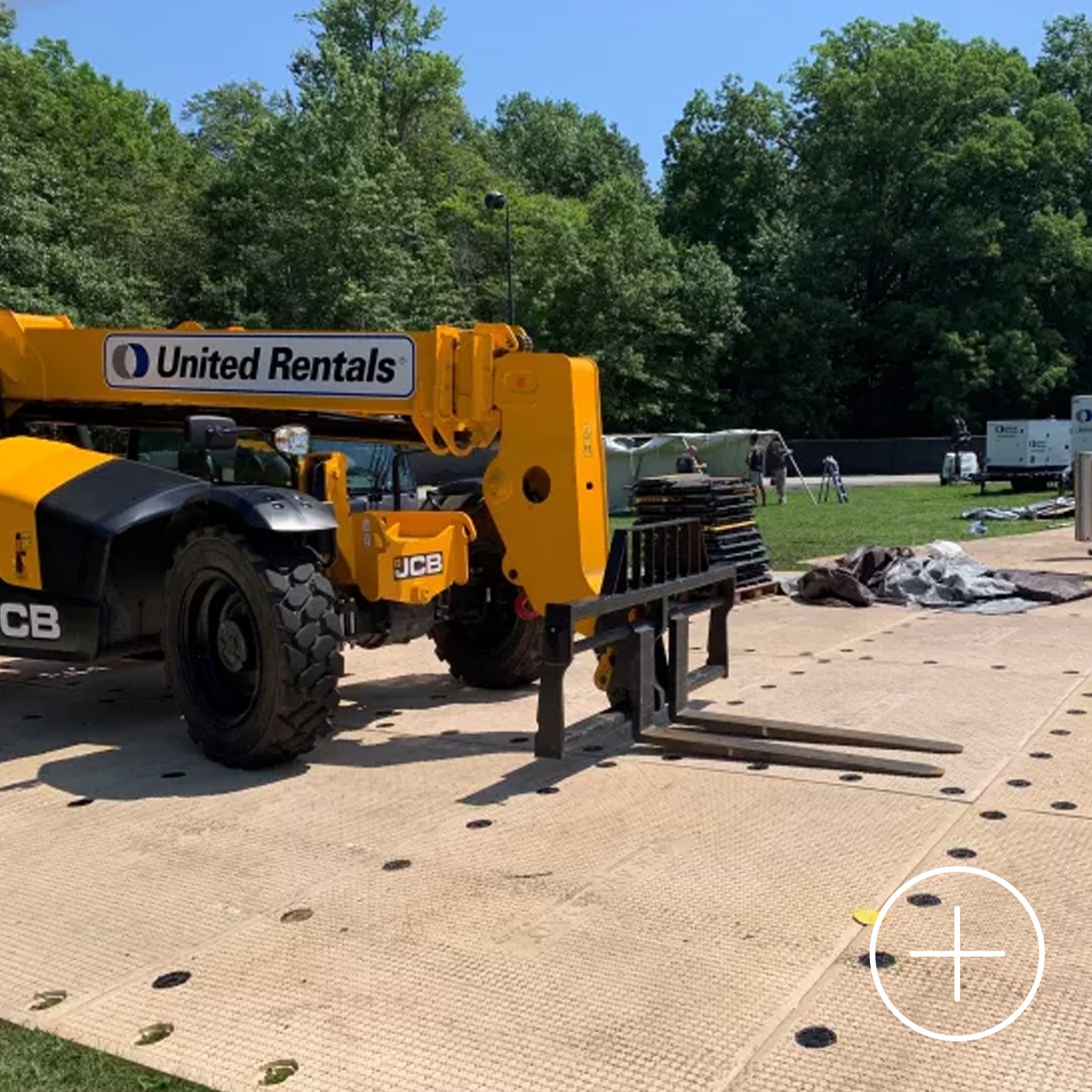
Modular composite roadway panels: medium duty panels for trucks and equipment on site approaches, yards and staging zones
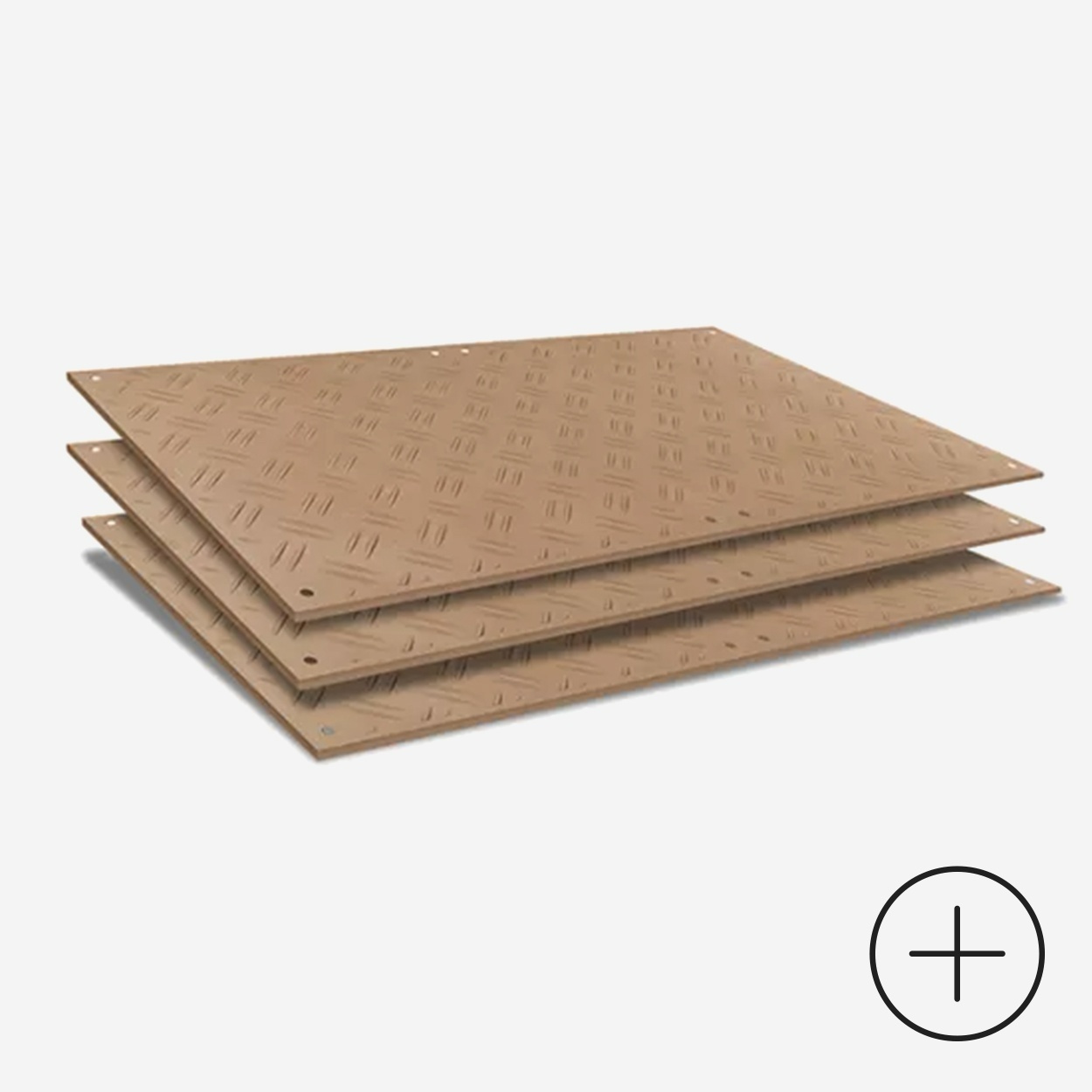
Light duty ground protection sheets: turf and surface protection for pickups, utility carts, aerial lifts and foot traffic
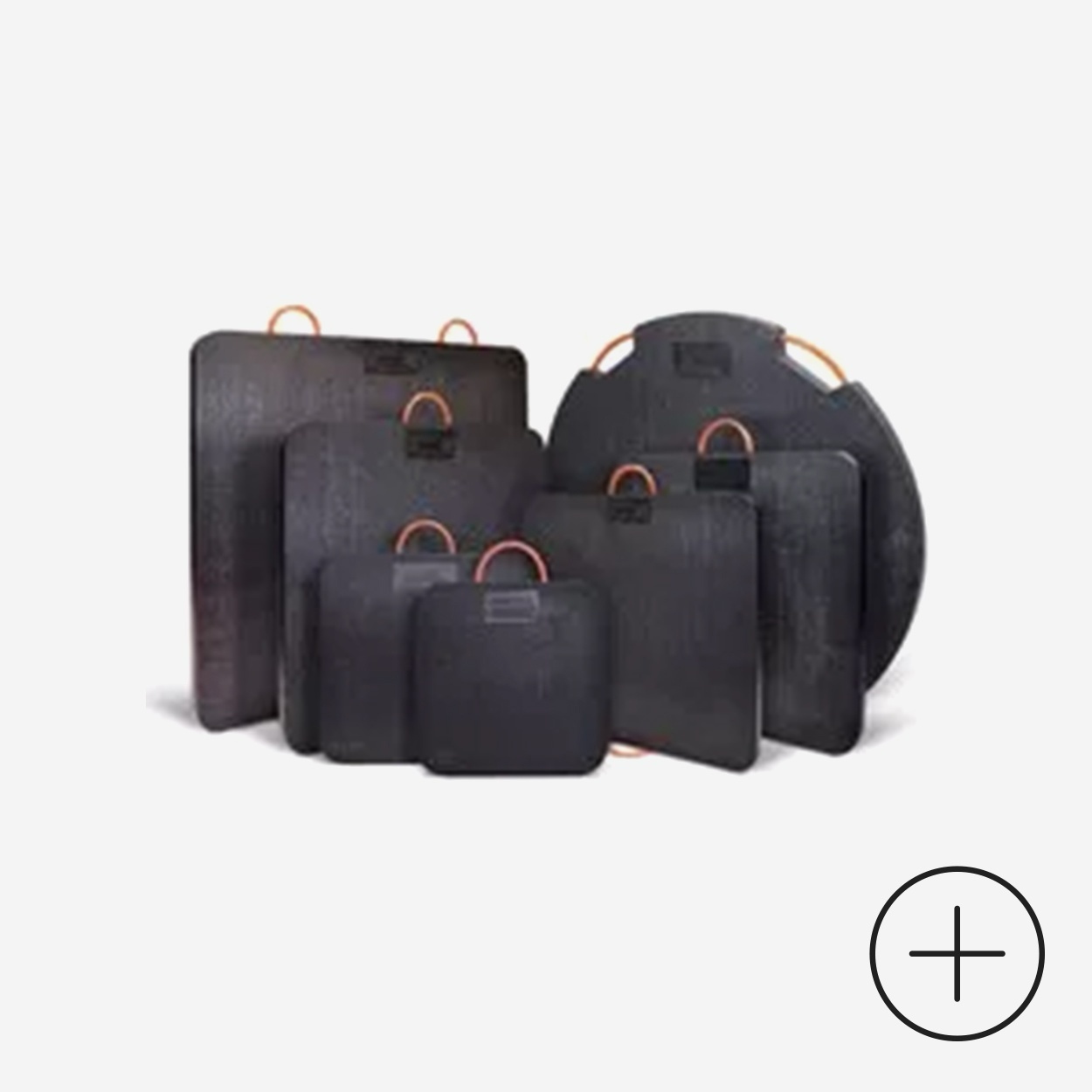
Outrigger and crane pads: load spreading pads for safe equipment setup on soft or sensitive ground
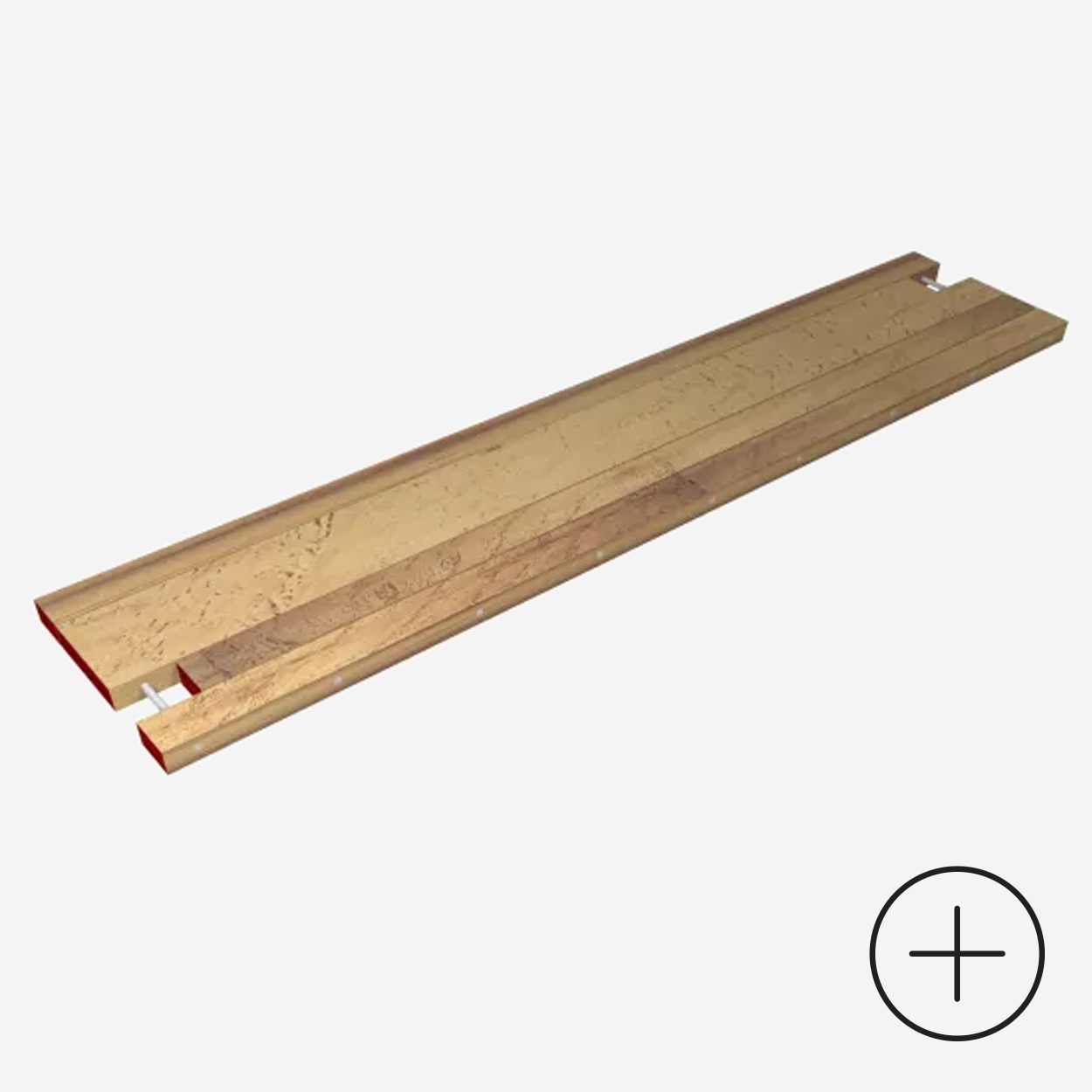
Bridge mats and portable bridge decks: temporary crossings for ditches and small streams with stable approaches
Because we have deep experience with utility and construction projects, we know what variables to look for and how to plan for them, from weather and wetlands to weeds and wildlife. This logistical expertise is especially critical for complex sectors like renewable energy and pipeline construction. By providing a customized, single-source solution for site access, we help reduce your environmental footprint while ensuring crews and equipment can operate efficiently and safely, no matter the challenge.
When comparing options, look closely at what your estimate includes. A United Rentals quote is built around the specific inputs and constraints of your project. We document the conditions and requirements used to design your access plan and price the work, such as:
- Verified ground conditions and soil type
- Route length, travel width, turning radii and staging areas
- Equipment loads, axle weights and expected traffic volume
- Environmental requirements including wetlands, stormwater and wildlife considerations
- Selected construction method including stabilization layers and aggregate
- Mat types, quantities and layout
- Temporary bridges, culverts and approaches if needed
- Mobilization, crew size, installation schedule and safety requirements
- Logistics, delivery timing and nearby inventory to reduce lead time
- Inspection and maintenance during the project
- Removal, cleanup and site restoration at completion
Detailing these elements upfront reduces surprises after work begins because wetlands, streams and other obstacles are accounted for in the plan and the price.
Conclusion
Temporary site access can make or break a project. United Rentals evaluates your terrain, loads and environmental requirements, then designs a roadway that fits your site. We plan the route, select the right mix of ground protection mats, manage logistics and installation, and maintain, remove and restore the roadway when the work is complete. This end-to-end approach improves safety, reduces downtime and adds certainty to schedule and budget.
Contact United Rentals to discuss your site, compare options and receive a detailed quote tailored to your project.